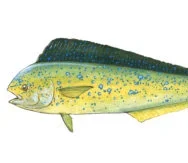
Finding reliable custom seafood processing for US importers starts with a precise product specification, not a price list. Buyers need the correct species, cut, packaging, labeling, and documentation. They also need a processor and export partner that can support a repeatable cold chain from origin to receiving dock.
For importers working with Panama-based supply, the opportunity is to align processing with the intended U.S. sales channel. A foodservice distributor may prioritize consistent portions. A retail buyer may need consumer-ready packs. An industrial buyer may require bulk cartons and predictable yields.
This guide explains how to define the scope, assess a processor, avoid costly misunderstandings, and organize a compliant import program. It also outlines questions to discuss with Rocmar Seafood before requesting a tailored quotation.
Custom processing means preparing fish or shellfish to a buyer’s written specification rather than offering only a standard commodity format. The scope can involve trimming, cutting, portioning, grading, packaging, carton configuration, lot identification, and freezing. Not every facility offers every operation; capabilities should be confirmed before purchase.
In practice, the importer should supply a product specification sheet. This document defines exactly what is being purchased, accepted, inspected, and paid for. It also provides a baseline when different factories or production lots are compared.
The useful starting point is a clear distinction between a requested option and a confirmed supplier capability. For example, “individual vacuum packs” is a request until the processor confirms machinery, material specifications, capacity, and testing.
Seafood arrives in multiple markets with different needs. Restaurant groups seek efficient kitchen preparation. Distributors focus on carton handling and predictable inventory. Retailers care about consumer labeling and pack presentation. Processing specifications can help reduce unnecessary rework and support consistent purchasing.
However, customization is not automatically cheaper. Extra trimming may lower saleable yield, smaller packs can increase material and labor costs, and complex labels may require more review. The correct comparison is total usable product cost, including freight, losses, handling, and compliance.
A strong request for quotation covers the product itself and the services around it. These points should be agreed upon before discussing shipping dates or deposits.
Specify the scientific name where possible, the acceptable origin, and whether fish will arrive at the plant fresh, chilled, or frozen. For tuna, mahi-mahi, and opah, product-specific handling and quality factors differ. A generic request for “fish fillet” leaves room for misunderstandings over species, color, bones, skin, and trim.
Ask whether the quoted item is whole, headed and gutted, filleted, loined, portioned, or otherwise prepared. Include acceptable size ranges, tolerances, defects, and any requirement for visual samples or photographs.
Describe target dimensions or weight bands, skin-on versus skinless, bloodline removal, pin-bone expectations, and maximum permitted variation. Production yield depends on species, fish size, starting condition, and desired finish. Therefore, published yield assumptions should not be treated as guaranteed conversion factors.
For demanding specifications, a trial lot can establish real-world results. Agree on who records input weight, finished net weight, reject quantities, and any rework. This improves both cost planning and acceptance decisions.
Choose between bulk cartons, individually wrapped units, vacuum packs, or another feasible format. Document net weight, glazing policy where relevant, packaging materials, case dimensions, and pallet pattern. Label approval should occur before printing, particularly for retail-bound goods.
U.S. labeling obligations depend on product format and sales channel. Importers should review identity statements, net quantity declarations, country-of-origin requirements, allergens where applicable, and any other relevant requirements with qualified regulatory advisers. Do not assume a supplier’s generic label satisfies every U.S. customer.
The specification should set product temperature targets, freezing method if relevant, shipping configuration, data-logging expectations, and procedures for excursions. A frozen-product specification is not interchangeable with one for chilled seafood. Shelf life must be supported for the actual product and packaging combination; it should never be promised based solely on a general industry number.
At receiving, the importer should check packaging integrity, temperature records, lot codes, and apparent signs of thawing or damage. A documented rejection and claims procedure is as important as the planned loading temperature.
The best format depends on the buyer’s downstream operation. The following table highlights common commercial choices rather than claiming any particular service is available from every supplier.
Format | Potential advantage | Buyer must specify |
Whole or headed/gutted | Flexible downstream cutting | Size, cleaning standard, temperature |
Loins and fillets | Less in-house breakdown | Trim, skin, bones, weight bands |
Portions | Consistent menu or retail units | Unit weight tolerance, counts, yield |
Vacuum-packed units | Defined pack presentation | Seal quality, materials, label, storage |
Bulk frozen cartons | High-volume handling | Net weight, glaze, liner, pallet plan |
Commercial customization cannot replace regulatory due diligence. The U.S. Food and Drug Administration (FDA) regulates imported seafood and requires applicable seafood processors and importers to follow the fish and fishery products HACCP framework under 21 CFR Part 123. Importers have specific verification responsibilities; the processor cannot simply complete those obligations on the importer’s behalf.
FDA’s guidance on seafood importer verification explains that written procedures and affirmative verification steps may be necessary. Buyers should also determine facility registration and prior-notice obligations for their particular shipments. FDA does not generally “approve” an individual seafood shipment in advance merely because a supplier says it is export-ready.
Importers should review these official resources: FDA’s [seafood HACCP importer guidance](https://www.fda.gov/regulatory-information/search-fda-guidance-documents/guidance-industry-questions-and-answers-haccp-regulation-fish-and-fishery-products), its [importing food overview](https://www.fda.gov/importing-food-products-united-states), and the agency’s [prior notice guidance](https://www.fda.gov/regulatory-information/search-fda-guidance-documents/guidance-industry-what-you-need-know-about-prior-notice-imported-food-shipments).
A food safety program starts with hazard analysis and controls suited to the actual seafood product and process. Hazards may include temperature-related decomposition, histamine in susceptible species, parasites in relevant products, and other risks depending on intended use. The correct control plan depends on species and processing method.
A U.S. importer should request the relevant supplier documentation, confirm the identity of the actual processing establishment, and maintain appropriate verification records. Where a seafood product qualifies for an exemption from the separate FSVP rule because it meets seafood HACCP conditions, that does not eliminate Part 123 importer verification duties. See the FDA’s [FSVP overview](https://www.fda.gov/food/food-safety-modernization-act-fsma/final-rule-foreign-supplier-verification-programs-fsvp-glance).
Each shipment should be traceable through processing and movement. Useful records can include species identity, source or vessel information where applicable, production dates, processor identity, batch or lot codes, quantity, and dispatch details. The exact legal requirements depend on the product and transaction, so the importer must confirm their applicability.
Keep a practical link between purchase orders, production records, labels, carton counts, commercial invoices, and receipt checks. If a concern arises, these connections make it easier to isolate an affected lot rather than disrupting unrelated inventory.
Panama can serve as a sourcing and export origin for seafood buyers. But location alone does not establish compliance, capacity, or competitive landed cost. Evaluate the actual facility and the supplier’s control over its processing and logistics arrangements.
Rocmar Seafood describes international seafood distribution, professional processing at facilities in Panama and Suriname, products frozen onboard, and customized packaging on its official [services page](https://rocmarseafood.com/servicios/). The company also describes HACCP-related processing credentials. Buyers should request current, facility-specific evidence and verify that each proposed operation fits the quoted product.
Its [seafood catalog](https://rocmarseafood.com/catalogo/) includes categories such as tuna, mahi-mahi, and opah. The [yellowfin tuna product page](https://rocmarseafood.com/producto/yellowfin-tuna/) identifies vacuum-packed loins and customized presentation among its listed options. That provides a useful basis for a detailed inquiry, but not proof that every requested format or volume is available on a particular date.
A commercial discussion should test operational fit rather than focus only on a headline per-kilogram figure. Send the prospective partner a precise list and ask for written responses.
An organized buying process can reduce disputes and improve the chance that a recurring supply arrangement works as expected. Use a staged approach rather than treating a verbal offer as a final production commitment.
Include the species, form, expected monthly volume, target customer, acceptable quality range, and packaging details. State whether the product will be sold frozen, thawed, or further processed. Clarify the destination port and requested delivery terms.
Ask the supplier to confirm which requirements are feasible and which need adjustment. The quote should identify the exact item and unit of sale, currency, minimum order quantity, lead time, shipping term, and quote validity. Distinguish the product price from shipping and destination charges.
For a new cut or pack, trial production helps reveal issues before a full order. Inspect seal quality, trim consistency, net weight, case labeling, and product condition. Confirm in writing whether the approved sample represents a binding production standard.
Review required documentation with the import team and customs broker. Identify who files prior notice and who carries out importer HACCP verification. Agree on product release checks, transit monitoring, claims windows, and contingency plans.
Record receiving temperatures, case damage, counts, labeling accuracy, and usable yield after preparation. Compare actual results with the agreed specification. Use those findings to refine the next order before increasing volume.
Custom seafood processing prices vary with species, seasonality, fish size, trimming intensity, pack materials, required testing, minimum volume, and logistics. Without a current supplier quote, no responsible buyer can assume a fixed per-kilogram price or guaranteed freight rate.
Model the full landed cost: product value, processing and packaging, transport, insurance, customs services, applicable duties and fees, inland delivery, and expected processing loss. Ask for a transparent basis for net weight versus gross or glazed weight to avoid comparing unlike offers.
For example, a lower-cost bulk pack may require extra labor at the destination. A more expensive pre-portioned item could reduce kitchen work and variability. Choose by usable units delivered, not only invoice cost.
Several familiar errors recur when importers launch a customized seafood program. Most can be prevented with better written specifications and responsibility assignments.
A final review should bring the commercial, quality, and logistics teams onto the same version of the deal. Use this short checklist before releasing the order.
Successful custom seafood processing for US importers depends on aligned specifications, realistic processing capability, documented food safety oversight, and clear commercial responsibilities. Buyers gain better control when their requirements are measurable and each shipment can be traced to the approved production lot.
For a project involving seafood from Panama, review Rocmar Seafood’s published [processing and packaging services](https://rocmarseafood.com/servicios/) and (https://rocmarseafood.com/catalogo/). To discuss a tailored format, send your product brief through the company’s [official contact page](https://rocmarseafood.com/contactanos/) and request a product-specific quotation.
A successful tuna fish export strategy depends on more than delivering seafood from one country to another. It requires an experienced partner capable of managing processing, cold chain logistics, traceability and international distribution while supporting the needs of wholesale buyers.
With more than 30 years of experience, Rocmar Seafood provides fresh and frozen seafood solutions for importers, distributors and international food service companies seeking dependable sourcing partners. Through quality-oriented operations and personalized commercial support, the company helps businesses strengthen their seafood supply chains and develop lasting international relationships.
If your organization is searching for a reliable seafood exporter, contact Rocmar Seafood to learn more about its products, discuss your sourcing requirements and explore international distribution opportunities.